Benefits and Limitations of Powerlifting Belt: A Complete Guide
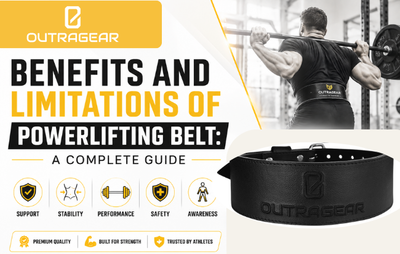
Discover the benefits and limitations of using a powerlifting belt in this complete guide for strength athletes and fitness enthusiasts. Learn how a powerlifting belt can improve core stability, enhance lifting performance, support proper bracing, and potentially reduce injury risk during heavy squats, deadlifts, and other compound movements. At the same time, explore its limitations, common misconceptions, and situations where relying on a belt may not be the best choice. Whether you're a beginner or an experienced lifter, this guide will help you understand when, why, and how to use a powerlifting belt effectively to maximize your training results and long-term strength development.
Benefits and Limitations of Powerlifting Belt: A Complete Guide
Have you ever seen people in the gym wearing a tight belt around their waist while lifting heavy weights? That is called a weightlifting belt. Many people use these belts during exercises like squats, deadlifts, and overhead presses to feel stronger and more supported.
Over time, weightlifting belts have become a popular gym tool for both beginners and professional lifters because they may help improve stability and confidence while lifting heavy weights.
In this blog, we will cover the key benefits of weightlifting belts and also discuss their limitations. You will learn how these belts work, when they can help during workouts, and when relying on them too much may not be a good idea. This guide will help you decide if a weightlifting belt is the right choice for your fitness journey.
Key Benefits of Weightlifting Belts
Weightlifting belts are widely used by athletes and gym enthusiasts to improve stability, support, and overall lifting performance during heavy training sessions. From enhancing core bracing to increasing confidence under load, the best weightlifting belt can play an important role in strength training and powerlifting routines.
Below are some key benefits of using a lifting belt in the gym.
Increased Intra-Abdominal Pressure (IAP)
One of the primary functions of a weightlifting belt is to increase intra-abdominal pressure. When you brace your core against the belt, it creates internal pressure that acts like a natural support system for your spine.
A properly used powerlifting belt USA helps you push your abdominal muscles outward, creating a stronger and more stable midsection during heavy lifts like squats and deadlifts. This is one of the reasons athletes often consider it the best weightlifting belt option for maximizing heavy compound movements.
Better Spinal Stability
A quality leather lifting belt USA helps stabilize your lower back by limiting excess spinal movement during heavy lifts. This added support is especially useful when training near maximal loads, improving both control and safety.
Many athletes also choose a Fitness lifting belt or leather lifting belt for its balance of firm support and comfort, while a USA powerlifting belt is commonly used in competition settings for its compliance with strict powerlifting standards.
Benefits of Better Spinal Stability
- Provides external core and lower back support for heavy compound lifts.
- Reduces unwanted spinal flexion and improves lifting posture under load.
- Helps maintain intra-abdominal pressure for safer, stronger lifts.
- Commonly used in strength training, bodybuilding, and powerlifting routines.
- The Outragear leather lifting belt is preferred by lifters seeking durable support with comfort.
- USA Powerlifting belt models are widely used in sanctioned powerlifting competitions.
- Enhances stability during squats, deadlifts, and overhead presses.
Improved Lifting Performance
Using the Outragear best lifting belt for gym workouts can actually help you lift more weight. By stabilizing your core and spine, the belt allows you to focus more force on the target muscles instead of spending energy on stabilizing your torso.
This improved efficiency is why many athletes see noticeable strength gains when incorporating a lifting belt into their training routine. Whether you're using a fitness lifting belt for general workouts, performance benefits are consistent when used correctly.
Enhanced Core Engagement
Contrary to the myth that belts weaken your core, a lifting belt actually encourages better core engagement when used properly. When you brace against a weightlifting belt, your abdominal and lower back muscles must activate more intensely.
This creates a stronger mind-muscle connection and improves bracing technique over time. High-quality gear from Outragear gym accessories is designed to support this process, helping lifters maintain proper form under pressure while still training the core effectively.
Injury Risk Reduction
A lifting belt is designed to improve safety during heavy strength training by supporting the lower back and promoting proper bracing technique. While it cannot eliminate injury risk entirely, a quality USA weightlifting belt can help reduce unnecessary spinal stress during demanding lifts.
Many athletes rely on options like the best weightlifting belt when training with near-maximal loads or high-intensity programs.
How a Lifting Belt May Help Reduce Injury Risk
- Reduced lower back strain helps minimize excessive stress on the lumbar spine during heavy lifts.
- Improved bracing technique encourages stronger core engagement and intra-abdominal pressure.
- Safer heavy lifting sessions add stability during squats, deadlifts, and compound movements.
- Injury prevention support lowers the chance of form breakdown under fatigue.
- Training versatility makes it useful for strength training, bodybuilding, and powerlifting routines.
- Reliable performance gear includes the best weightlifting belt choices preferred for safety-focused training cycles.
- Support for intense programs is ideal for high-intensity lifts and progressive overload training.
Tactile Cueing
Tactile cueing is a key benefit of using a lifting belt, as it provides physical feedback that helps lifters maintain proper core bracing during each rep.
A weightlifting belt is especially useful for beginners, as it creates external resistance around the waist, making it easier to feel correct breathing and abdominal engagement.
This feedback improves core awareness, bracing mechanics, breathing control, and lifting consistency. Even advanced athletes use a leather powerlifting belt to reinforce proper technique during heavy lifts, while Outragear gym accessories are popular for their comfort, durability, and long-term training support.
Limitations of Weightlifting Belts
Although belts provide important benefits, they also have limitations. Understanding these limitations helps lifters use belts more effectively and avoid becoming overly dependent on them.
Weakened Natural Core Development
One concern with excessive belt use is reduced natural core development. If a lifter relies on a lifting belt during every exercise and every set, the body may depend too much on external support.
Over time, this can reduce the activation of smaller stabilizing muscles responsible for spinal support and balance.
For this reason, many coaches recommend using a belt primarily during:
- Heavy compound lifts
- Near-maximal attempts
- High-intensity strength work
Lighter exercises and accessory movements are often performed without a belt to allow the core muscles to develop naturally.
Even when using the best Powerlifting belt, athletes should continue training their core directly through exercises that improve stability and strength.
Not an Injury Shield
A common misconception is that wearing a powerlifting belt completely prevents injuries. In reality, a belt cannot compensate for poor lifting habits or improper programming.
Belts do not protect against injuries caused by:
- Incorrect lifting technique
- Excessive training loads
- Poor mobility
- Fatigue
- Lack of recovery
If a lifter performs movements incorrectly, even the best lifting belt for gym training cannot eliminate injury risk.
A belt should always be viewed as a supportive training tool rather than a replacement for proper mechanics and intelligent training.
Athletes using outragear lifting accessories should still prioritize good form, controlled movement, and progressive overload for long-term success.
Physiological Strain
Using a tightly secured fitness lifting belt during heavy lifts can create additional physiological strain on the body.
Heavy bracing and increased abdominal pressure may temporarily elevate blood pressure, especially during maximal lifting efforts.
Some lifters may experience:
- Dizziness
- Head pressure
- Shortness of breath
- Fatigue after heavy sets
This is why proper breathing and bracing techniques are essential when training with a leather lifting belt or USA powerlifting belt.
Lifters should avoid tightening the belt excessively and should learn how to breathe effectively while maintaining core stability.
Mobility Restrictions
While rigid belts provide excellent support, they can also limit movement during certain exercises.
A thick powerlifting belt may feel restrictive during:
- Olympic lifts
- Functional fitness movements
- Dynamic athletic training
- High-repetition conditioning workouts
Some athletes prefer softer or more flexible belts for workouts requiring greater mobility and speed.
The best weightlifting belt depends heavily on the athlete’s training style, goals, and comfort preferences. A belt designed for maximal powerlifting support may not be ideal for every type of workout.
Still, many serious strength athletes continue to prefer durable, outragear leather lifting belt models because of their long-lasting support and reliability.
Final Thought
A weightlifting belt can be an effective tool for improving stability, enhancing lifting performance, and reinforcing proper core bracing during heavy training. Whether you are an experienced powerlifter or someone focused on building strength in the gym, the right lifting belt can provide valuable support during demanding exercises.
However, belts also have limitations. They should never replace proper technique, natural core development, or smart training habits. Overreliance on external support may reduce the body’s ability to stabilize naturally over time.
Using a high-quality fitness lifting belt strategically can help athletes train harder while maintaining better control and posture under heavy loads. From durable USA powerlifting belt designs to premium outragear gym accessories, modern lifting gear continues to support athletes across every level of fitness.